2–4 Unit Multifamily Renovations in Chicago
What Owner-Occupants and Investors Should KnowTwo-flats, three-flats, and fourplexes have long been a gateway into real estate investing in Chicago. They offer flexibility, manageable scale, and the opportunity to live in one unit while generating rental income from the others.
For first-time investors and live-in landlords, small multifamily properties can be a practical entry point. But like any investment property, performance depends heavily on condition, compliance, and market positioning.
This guide outlines what to consider before renovating a 2–4 unit property in Chicago.
Why 2–4 Unit Properties Appeal to Investors
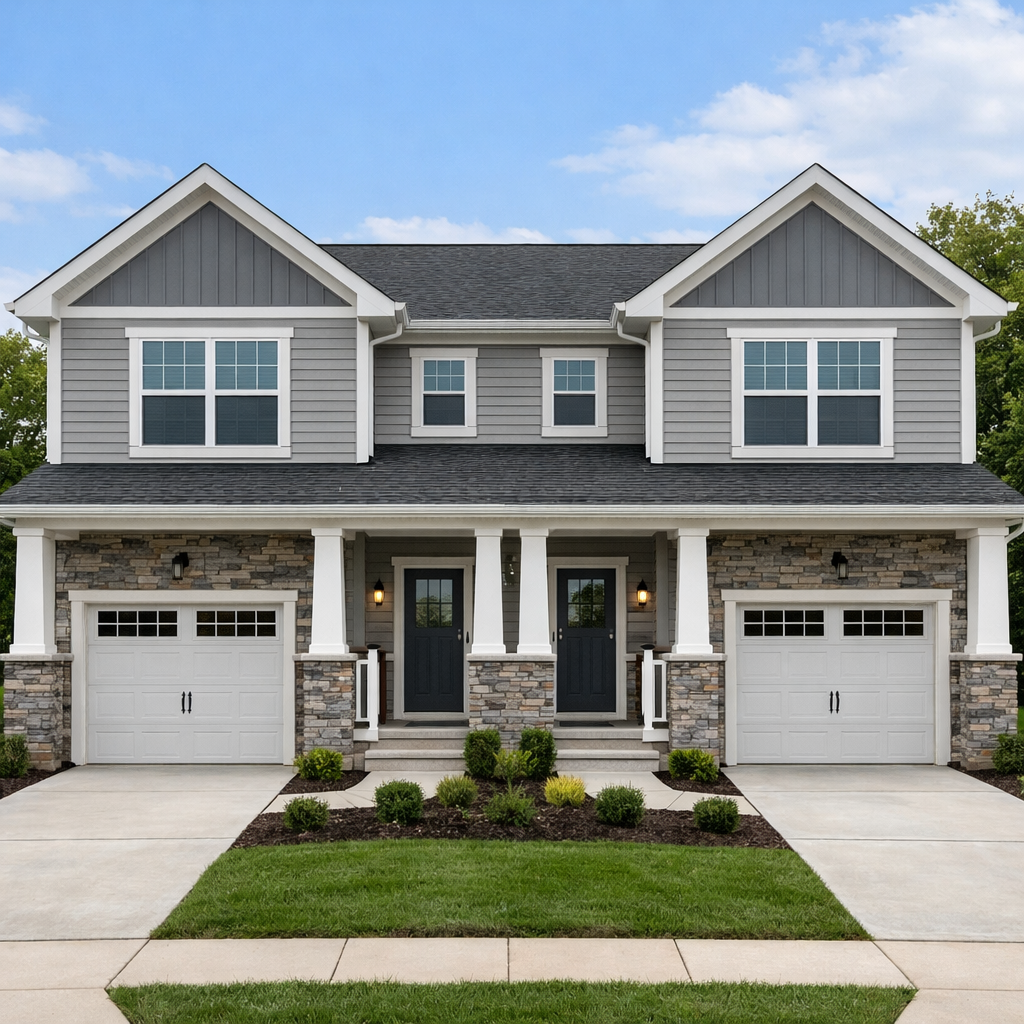
Small multifamily buildings offer several advantages:
- Residential financing options
- Ability to house-hack by living in one unit
- Easier resale compared to larger commercial buildings
- Simpler management relative to large apartment complexes
- Steady rental demand across many Chicago neighborhoods
From a regulatory standpoint, 2–4 unit buildings are still considered residential. However, that does not mean the renovation process is simple. Code compliance, life safety requirements, and shared systems can make these projects more complex than single-family homes.
Why Renovate a Small Multifamily Property?
Renovation is often the difference between an underperforming asset and a strong rental property.
Key benefits include:
- Improved tenant retention
- Ability to command stronger lease terms
- Increased property equity
- Reduced long-term maintenance costs
- Lower utility expenses through energy-efficient upgrades
Outdated plumbing, aging electrical systems, and inefficient HVAC equipment can quietly drain cash flow. Strategic upgrades reduce recurring repair calls and improve tenant satisfaction.
As rents continue to trend upward in many Chicago neighborhoods, modernized units are often better positioned to compete. This article will walk you through the steps typically taken when considering a multi-family renovation project. Being aware of the process sets the stage for a successful renovation.
And a successful renovation starts with a clear-eyed assessment of both potential and risk.
Property Assessment and Compliance Review
Before budgeting for finishes, evaluate the building as a whole.
Key questions include:
- Are shared systems up to code?
- Is electrical service sufficient for modern loads?
- Are plumbing stacks in good condition?
- Does the building meet current life safety standards?
- Are there prior unpermitted renovations?
In many cases, not every unit requires a full gut renovation. If core systems are stable and compliant, cosmetic upgrades may be sufficient to reposition the property.
For older buildings, structural and system upgrades may need to precede aesthetic improvements.
Typical Renovation Costs for 2–4 Unit Buildings
Renovation budgets vary based on scope and building condition.
General ranges per unit:
- Cosmetic updates: $25,000–$40,000
- Full gut rehab: $100,000–$150,000
In addition, owners should budget for:
- Roof replacement if near end of life
- Masonry repairs
- Foundation work
- Shared utility upgrades
- Permit and inspection fees
Cost drivers include:
- Number of units
- Total square footage
- Scope of system upgrades
- Material quality and finish level
- Accessibility of existing systems
While these properties are residential, multifamily permitting often involves more coordination due to shared utilities and fire safety standards.
Building Permits and Inspections
Renovations involving plumbing, electrical, HVAC, or structural modifications require permits.
For 2–4 unit buildings, compliance often includes:
- Fire-rated assemblies between units
- Proper egress requirements
- Smoke and carbon monoxide detection
- Shared mechanical system review
- Code-compliant stairways and handrails
Permits may include:
- Building permits
- Electrical permits
- Plumbing permits
- Mechanical permits
Each phase of construction typically requires inspections before moving forward.
Owner-occupied 1–4 unit properties may qualify for certain city energy efficiency or heating programs, depending on eligibility.
Strategic Renovation Approaches
Cosmetic Repositioning
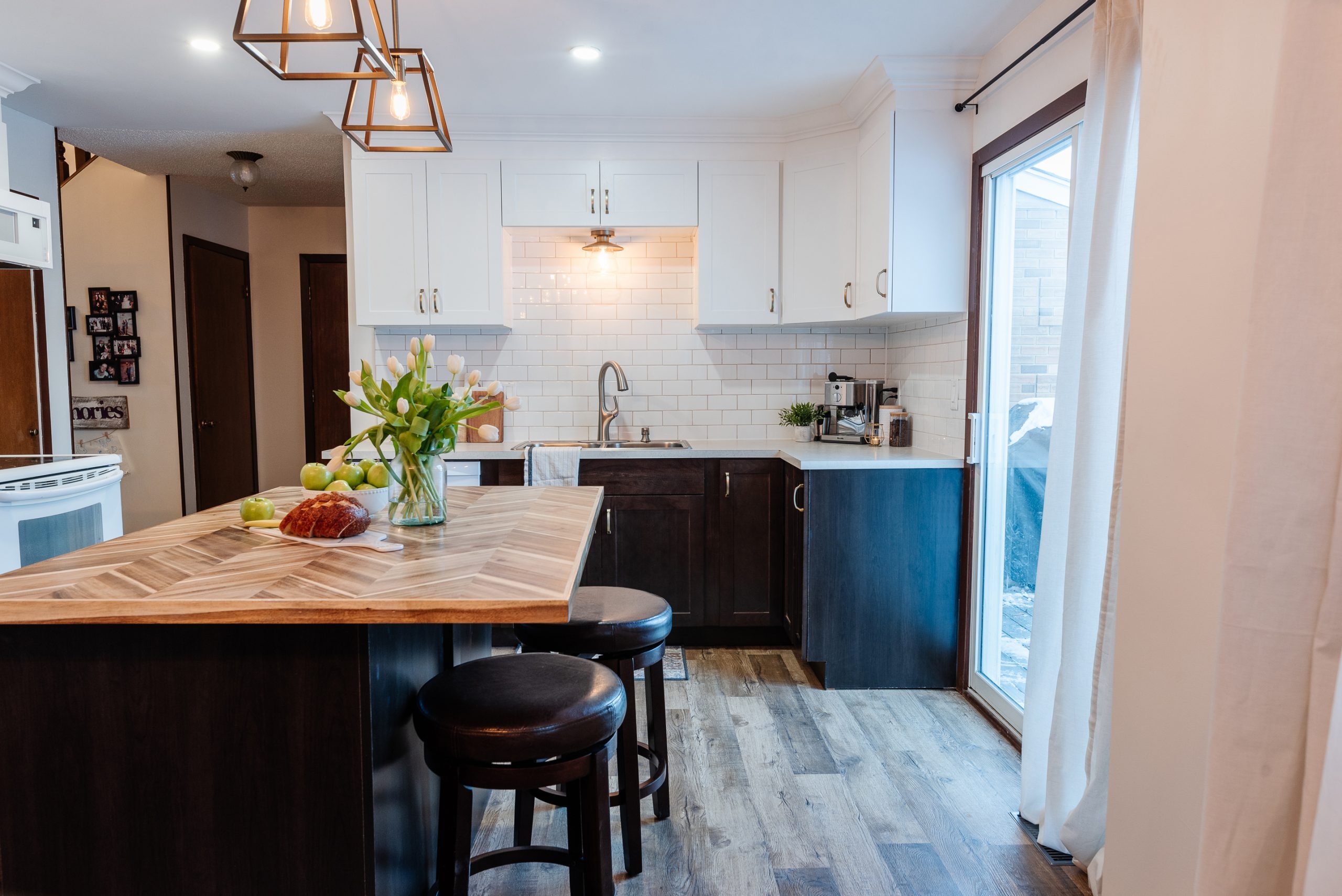
Ideal when systems are in good condition.
Common updates include:
- New flooring
- Modernized kitchens and baths
- Updated lighting
- Fresh paint
- Durable, tenant-friendly finishes
This approach focuses on increasing rent without major structural disruption.
Full Unit Repositioning
Used when:
- Layouts are outdated
- Systems require replacement
- Units are functionally obsolete
Full rehabs often include:
- In-unit laundry installation
- Electrical panel upgrades
- Plumbing replacement
- Energy-efficient HVAC systems
- Open-concept layout modifications
This strategy typically requires longer timelines but can significantly improve rental performance.
Living in One Unit During Renovation
Many owner-occupants choose to remain in one unit during construction.
Feasibility depends on:
- Scope of work
- Access points
- Safety considerations
- Noise and disruption levels
A phased approach can sometimes minimize tenant or owner disruption.
Timeline Expectations
Timelines depend on scope and permitting.
- Cosmetic renovations: 6–8 weeks per unit
- Full gut renovations: 3–6 months
Weather, permit review times, and system upgrades can extend schedules. Setting realistic expectations at the outset helps prevent financial strain.
Return on Investment Considerations
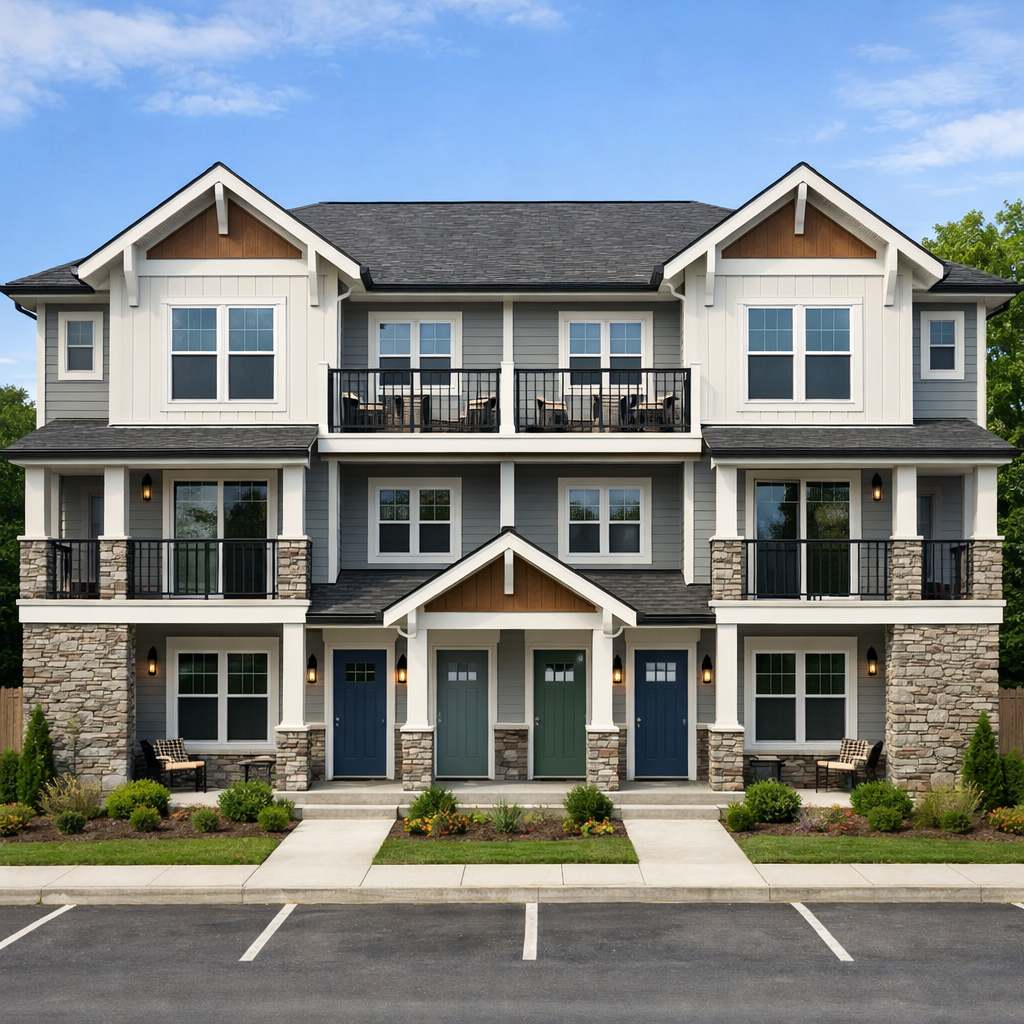
ROI depends on:
- Neighborhood rent ceiling
- Comparable renovated properties
- Quality of improvements
- Operating expense reductions
Renovated units typically:
- Command higher rents
- Attract more qualified tenants
- Reduce vacancy time
- Increase overall property valuation
For many investors, the goal is not only increased cash flow but long-term equity growth.
Common Challenges in Chicago Multifamily Renovations
- Aging shared plumbing stacks
- Limited electrical capacity
- Masonry deterioration
- Fire separation compliance
- Prior unpermitted work
- Tenant coordination during construction
Addressing these issues proactively reduces risk and protects long-term asset performance.
Key Takeaways for 2–4 Unit Owners
- Evaluate shared systems before investing in finishes
- Not every unit requires a full gut renovation
- Multifamily life safety standards are stricter than single-family
- Budget for building-wide improvements, not just interior updates
- Transparent scope definition protects profitability
A disciplined renovation strategy transforms a small multifamily property from maintenance-heavy to performance-driven.