Accessory Dwelling Units (ADUs) in Chicago
What Homeowners and Investors Should Know Before BuildingAs housing needs evolve in Chicago, Accessory Dwelling Units (ADUs) are becoming an increasingly practical solution. Whether the goal is rental income, multi-generational living, aging-in-place flexibility, or a private home office, an ADU can unlock additional value from an existing property.
However, ADU construction in Chicago is governed by specific zoning rules, eligibility areas, and permit requirements. Understanding the regulatory and financial landscape is essential before starting.
This guide outlines what homeowners and investors should know about building or legalizing an ADU in Chicago.
What Is an ADU?
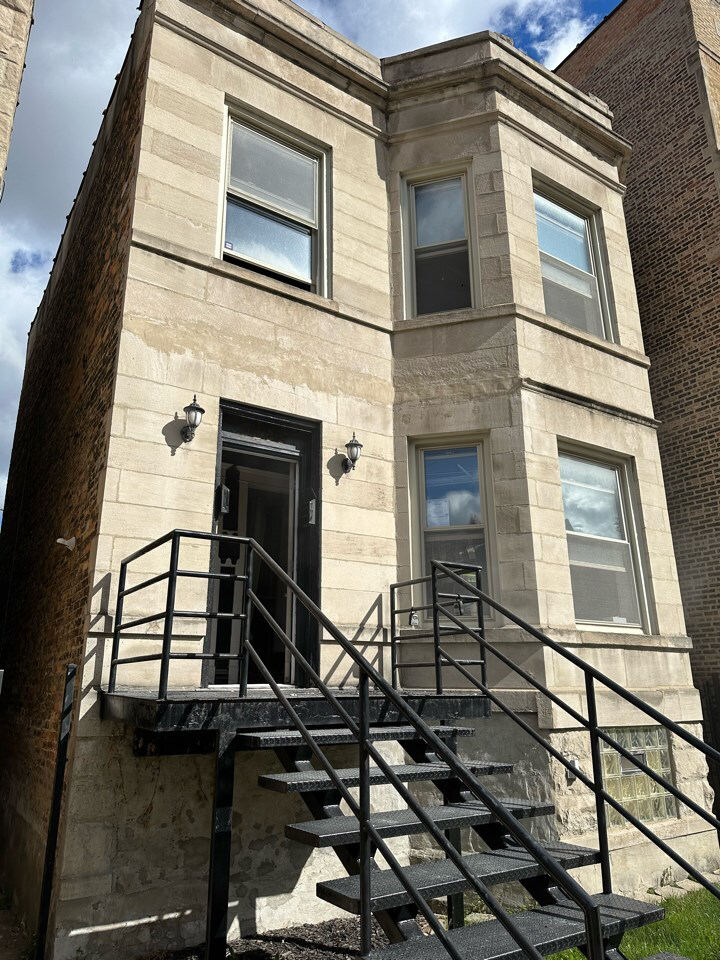
An Accessory Dwelling Unit is a self-contained living space located on the same lot as a primary residence. It typically includes:
- A kitchen
- A bathroom
- A sleeping area
- A separate entrance
Common ADU types in Chicago include:
- Garage conversions
- Basement apartments
- Detached backyard cottages, often called coach houses
- Above-garage apartments
- Attic conversions
ADUs were banned in Chicago in 1957 due to zoning changes. In December 2020, the Chicago City Council reinstated ADUs under a pilot ordinance to address affordability and housing flexibility.
Since then, interest has steadily increased across eligible neighborhoods.
Where Are ADUs Allowed in Chicago?
Chicago’s ADU program began as a pilot initiative, meaning ADUs are permitted only in designated areas and under specific zoning classifications.
Pilot areas have included portions of:
- Irving Park
- Logan Square
- Lincoln Square
- Lake View
- South Chicago
- West Lawn
- North Lawndale
- East Garfield Park
Eligibility depends on both geographic area and zoning classification. Residential zoning districts such as RM, RS, and RT may qualify, with RS-1 generally excluded.
Because regulations evolve, confirming eligibility through current city resources or a zoning review is critical before investing in design.
Is an ADU Feasible on Your Property?
Before planning construction, several factors must be reviewed:
- Current zoning classification
- Lot size and rear yard access
- Building separation requirements
- Height and setback limitations
- Utility access and capacity
- Age of the primary structure
For example, if adding a basement or attic conversion unit, the primary residence typically must be at least 20 years old.
Not every lot can accommodate a detached structure. Garage conversions and basement units often require infrastructure upgrades.
A feasibility review should happen before design work begins.
Designing an ADU
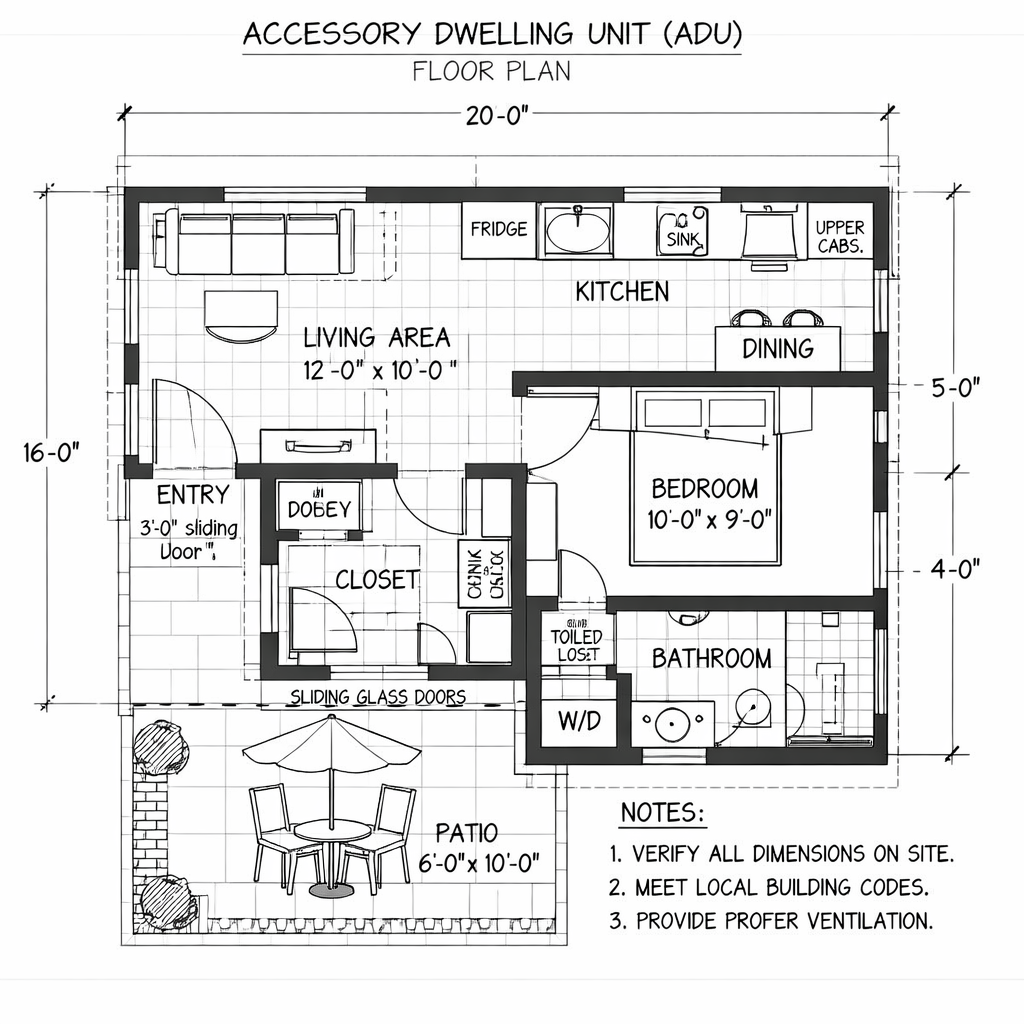
ADU design must balance function, privacy, and code compliance.
Key considerations include:
- Square footage efficiency
- Ceiling height requirements
- Natural light and ventilation
- Entry placement for privacy
- Sound separation from the main home
- Independent kitchen and bathroom layout
- Laundry access
- Fire separation and safety compliance
Detached coach houses require additional structural design and site planning. Basement conversions must address moisture control, egress windows, and ceiling height limitations.
Smart design can make even compact spaces feel livable and marketable.
Budgeting for ADU Construction in Chicago
ADU construction costs vary based on type, infrastructure condition, and finish level.
General ranges include:
- Garage conversion: $80,000–$120,000
- Basement unit: $100,000–$150,000
- Detached new build: $150,000–$300,000+
Primary cost drivers include:
- Structural modifications
- Utility upgrades
- Separate metering requirements
- Foundation or slab work
- Roofing and exterior finishes
- Interior finish level
Detached ADUs require the highest investment but often provide the strongest rental independence.
When evaluating ROI, consider:
- Long-term rental income
- Increased property value
- Multi-generational housing flexibility
- Exit strategy if selling the property
Utilities and Infrastructure Considerations
Many Chicago homes were not originally designed to support multiple dwelling units.
Common infrastructure challenges include:
- Limited electrical capacity
- Aging plumbing lines
- Sewer connection upgrades
- Gas line expansion
- Foundation reinforcement
Rental ADUs often require separate utility metering. Upgrading service lines can significantly impact the budget.
Early coordination with licensed trades and city inspectors helps avoid mid-project surprises.
Permits, Inspections, and Compliance
Building an ADU requires:
- Architectural drawings
- Zoning review
- Building permits
- Trade permits for plumbing, electrical, and HVAC
- Final inspections
- Certificate of Occupancy
If legalizing a previously unpermitted unit, the process typically involves bringing the space up to current building code standards before approval.
Short-term rentals such as Airbnb are not permitted in ADUs under current regulations. Long-term rental is generally allowed, subject to compliance.
Common Challenges in Chicago ADU Projects
- Zoning limitations outside pilot areas
- RS-1 zoning restrictions
- Infrastructure upgrades in older homes
- Basement moisture control
- Ceiling height limitations
- Structural reinforcement needs
- Neighborhood density and access constraints
Detached structures must also comply with setback, height, and rear yard coverage limits.
Because regulations and interpretations can evolve, professional guidance reduces risk.
Strategic Uses for ADUs
ADUs can serve multiple purposes beyond rental income:
- In-law suites
- Aging-in-place housing
- Adult children returning home
- Guest accommodations
- Home offices or creative studios
Flexibility is one of the primary benefits of ADU construction.
Key Takeaways for Homeowners and Investors
- Confirm zoning eligibility before investing in design
- Conduct a full feasibility and infrastructure review
- Budget for utility upgrades and contingencies
- Understand that detached ADUs carry higher cost but greater independence
- Legalization of unpermitted units requires full code compliance
- ADUs cannot be used for short-term rentals
A well-planned ADU can increase both financial performance and property flexibility when approached strategically.