Apartment Unit Turnovers in Chicago
What Property Owners and Managers Should Know About Rental Turnover RenovationsApartment unit turnovers are a critical part of managing rental properties. When a tenant moves out, the unit must be cleaned, repaired, and prepared for the next occupant as quickly as possible.
For landlords and property managers, the goal is to minimize vacancy time while ensuring the unit meets safety standards and market expectations. Even minor delays between tenants can result in lost rental income and additional operating costs.
In Chicago, turnover work often involves more than basic cleaning and repainting. Older housing stock, building code requirements, and lead-safe work regulations frequently influence both the scope and timeline of these projects.
Chicago’s Housing Stock and Rental Turnover Challenges
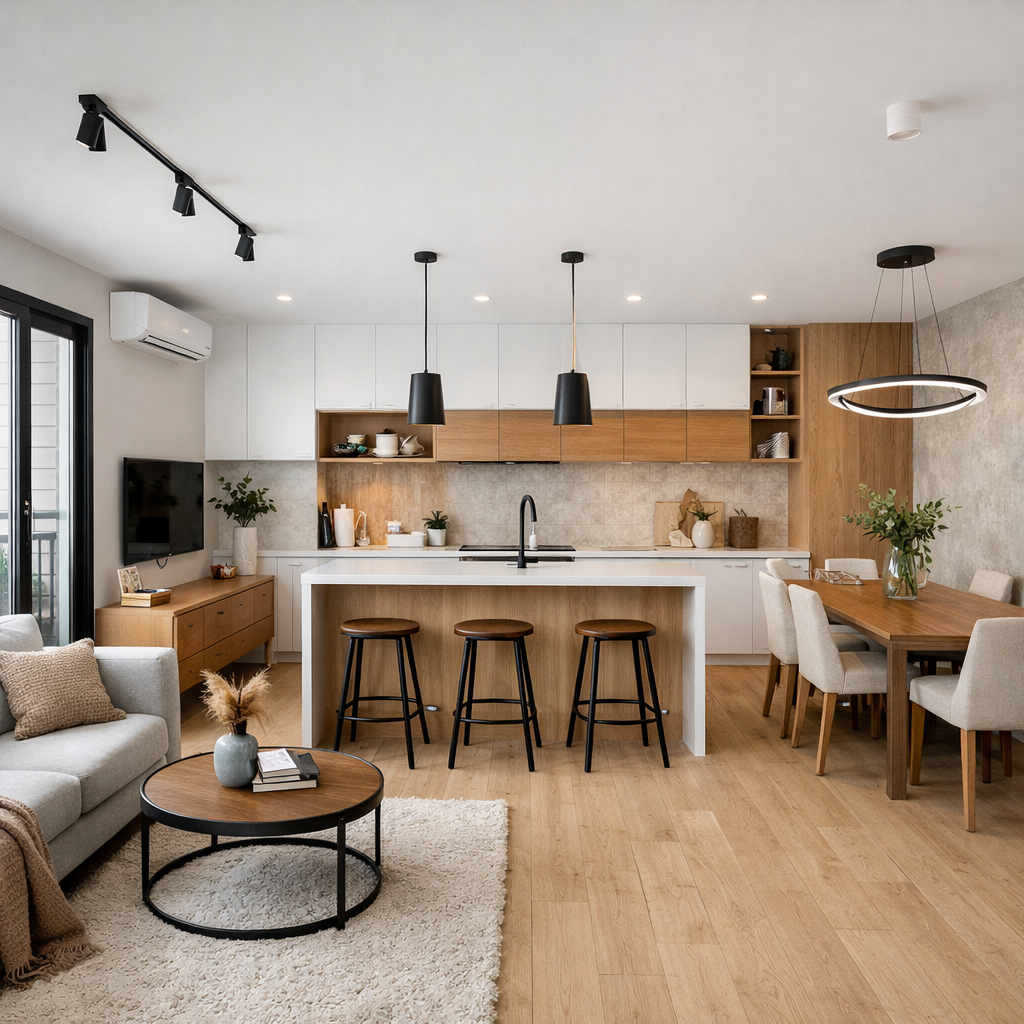
Chicago has one of the oldest housing inventories in the United States. A large portion of the city’s rental housing was built before the mid-20th century. As a result, rental unit turnovers often involve issues such as:
- Aging electrical systems
- Radiator heating systems
- Original plaster walls
- Older plumbing infrastructure
- Outdated fixtures and finishes
Because of these conditions, turnover projects must balance speed with safety and code compliance.
Landlords are responsible for maintaining habitable conditions under Chicago’s municipal housing codes. Basic safety items such as smoke detectors and functioning heating systems must be operational before the unit can be leased again. In older buildings, repairs may also need to follow lead-safe work practices when painted surfaces are disturbed.
What Is Included in an Apartment Turnover
Apartment turnover work typically begins after a tenant vacates the unit. The first step is a detailed inspection to identify repairs, maintenance items, and potential code compliance issues. Typical turnover work may include:
- Wall patching and interior painting
- Flooring repair or replacement
- Cabinet repair or resurfacing
- Fixture replacement or plumbing repairs
- Grout cleaning and caulking
- Appliance servicing or replacement
- Deep cleaning and debris removal
- Smoke detector and safety updates
In some cases, turnover projects also involve correcting building code issues that were not previously addressed.
Flooring and Interior Repairs
Flooring is often one of the most visible areas requiring attention during a turnover. Common solutions include:
- Refinishing existing hardwood floors
- Installing luxury vinyl plank (LVP) flooring
- Replacing damaged subfloor sections
- Repairing tile or grout
Because flooring repairs affect both appearance and durability, addressing these issues early can help attract qualified tenants.
Kitchens and Bathrooms
Turnover projects frequently include targeted improvements to kitchens and bathrooms. Typical updates include:
- Replacing or repairing cabinet doors
- Updating cabinet hardware
- Replacing faucets or plumbing fixtures
- Repairing grout and tile surfaces
- Re-caulking tubs and showers
These improvements can significantly improve the perceived quality of the unit without requiring full renovations.
HVAC and Mechanical Systems
Heating systems must be functioning properly before a unit can be leased. Chicago buildings often use radiator systems powered by steam or hot water boilers. During turnovers, mechanical systems may require:
- Radiator valve repairs
- Thermostat replacement
- HVAC servicing
- Inspection of heating components
Proper system maintenance helps prevent tenant complaints and potential building code violations.
Typical Turnover Timelines
Turnover timelines vary depending on the condition of the unit and the amount of work required. Common ranges include:
Light Turnover (2–5 days)
- Cleaning and trash removal
- Minor wall patching
- Interior painting
- Small fixture replacements
Medium Turnover (5–10 days)
- Flooring repairs or refinishing
- Cabinet and fixture replacement
- Moderate plumbing repairs
- Tile or grout work
Heavy Turnover (10–21 days or more)
- Structural repairs requiring permits
- Plumbing or electrical upgrades
- HVAC repairs or replacement
- Mold remediation or water damage repair
Building access restrictions, material availability, and permit requirements can influence these timelines.
Factors That Affect Turnover Timelines
Several variables can extend turnover schedules. Common factors include:
- Extensive wall damage requiring additional patching and drying time
- Hardwood floor refinishing
- Subfloor damage discovered during flooring removal
- Building restrictions on work hours
- Material availability or special-order fixtures
- Code compliance upgrades
Because these conditions are often discovered after the tenant vacates, thorough inspections are essential before finalizing project schedules.
Typical Apartment Turnover Costs in Chicago
Turnover costs vary based on unit condition and renovation scope. Typical ranges include:
Light Turnover - Often between $1,800 – $4,000
- Cleaning and painting
- Minor repairs and fixture replacements
Medium Turnover - Often between $4,000 – $8,000
- Flooring repairs or replacement
- Fixture upgrades
- Moderate plumbing or electrical work
Heavy Turnover - Often between $8,000 – $15,000+
- Code compliance upgrades
- Plumbing or electrical replacement
- Structural repairs or water damage remediation
Because older buildings often reveal hidden issues, turnover budgets sometimes include contingency allowances.
The Cost of Vacancy
For rental property owners, the true cost of turnover includes more than repair expenses. Vacancy periods often involve additional costs such as:
- Lost rental income
- Utilities and operating expenses
- Marketing and tenant screening costs
- HOA or building fees
- Property taxes
Reducing the time between tenants helps protect rental income and overall property performance.
Key Takeaways for Property Owners and Managers
- Rental turnovers must balance speed with code compliance
- Older Chicago buildings often require repairs beyond cosmetic work
- Flooring, kitchens, and bathrooms typically drive tenant perception
- Mechanical systems should be inspected during every turnover
- Delays between tenants can significantly increase operating costs
A structured turnover process helps maintain property quality while minimizing vacancy time.