Full Interior & Exterior Renovations in Chicago
What Homeowners and Investors Should Know Before a Major Renovation
A full interior and exterior renovation transforms a property from an outdated or deteriorated condition into a modern, functional home. Unlike smaller remodeling projects, these renovations address both the building’s infrastructure and its visible living spaces.
For homeowners, this type of project can completely modernize an aging property while improving long-term livability. For investors, it can reposition a property to meet current market expectations and maximize resale or rental value.
Full renovations are most common in older Chicago neighborhoods where housing stock often predates modern building standards. Understanding the scope, cost, and regulatory requirements is essential before committing to a project of this scale.
Chicago’s Housing Stock: Why Major Renovations Are Common
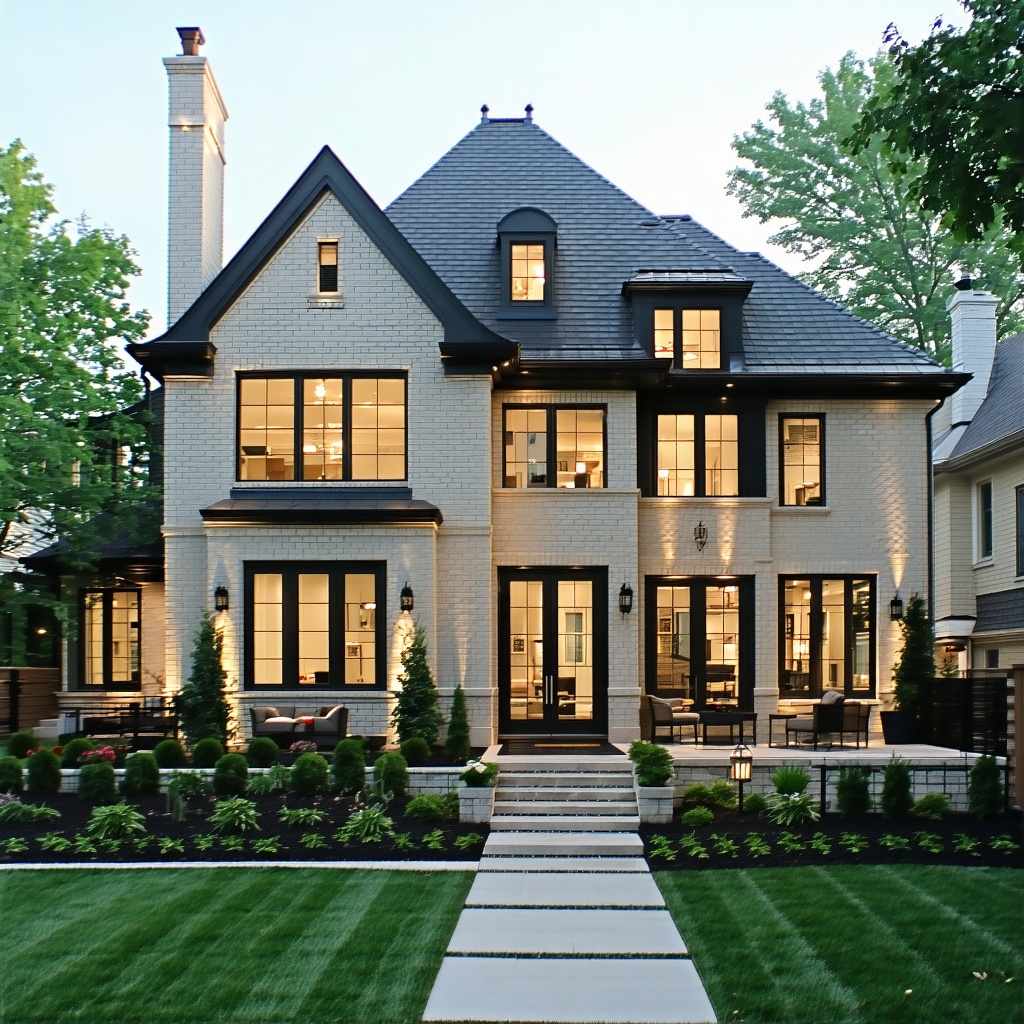
Chicago contains one of the oldest housing inventories in the United States. A large portion of the city’s homes were built before the 1940s, long before modern electrical, plumbing, insulation, and energy standards were established.
As a result, many properties still contain:
- Galvanized plumbing lines
- Knob-and-tube or outdated electrical wiring
- Aging boilers or inefficient heating systems
- Minimal insulation and air sealing
- Outdated layouts that do not match modern living expectations
Neighborhoods such as Logan Square, Lincoln Park, Old Town, and many parts of the Northwest and South sides frequently include homes that require more than cosmetic upgrades.
In these situations, surface-level remodeling may only address symptoms rather than the underlying infrastructure. A full renovation allows the property to be rebuilt with updated systems, improved layouts, and modern performance standards.
What Is Included in a Full Interior & Exterior Renovation
A comprehensive renovation typically addresses the entire structure, from infrastructure to finishes.
Environmental Testing and Abatement
Many older Chicago homes require environmental safety testing before demolition begins. Properties built before 1978 may contain lead paint, while older insulation and building materials may contain asbestos.
If hazardous materials are identified, licensed abatement contractors must remove them before construction continues.
Typical considerations include:
- Lead paint testing
- Asbestos inspection
- Professional removal and disposal
- Temporary containment areas
Abatement costs can range from $5,000–$15,000, depending on the extent of remediation required.
Structural and Mechanical System Upgrades
Once demolition is complete, the renovation focuses on rebuilding the home’s core systems.
Common upgrades include:
Electrical Systems
- New wiring throughout the home
- Modern circuit breaker panels
- Grounding and safety upgrades
- Additional circuits to support modern appliances
Plumbing Systems
- Replacement of aging galvanized supply lines
- Updated drain and waste piping
- Installation of copper or PEX plumbing systems
- New fixtures and water supply connections
Heating and Cooling Systems
- Installation of modern HVAC systems
- Replacement or modernization of radiator systems
- Ductwork installation where needed
- Energy efficiency improvements
These infrastructure improvements significantly reduce future maintenance issues while bringing the home into compliance with current building codes.
Exterior Renovation and Building Envelope
Exterior improvements are often performed alongside interior reconstruction to improve both durability and curb appeal.
Typical exterior work may include:
- Roof replacement
- Masonry repair or tuckpointing
- Window replacement
- Siding repair or replacement
- Exterior insulation upgrades
- Entryways and façade improvements
Because exterior elements protect the structure from weather, addressing them during a full renovation helps extend the lifespan of the property.
Interior Reconstruction and Finishes
Once structural and mechanical systems are completed, the project transitions into rebuilding the interior.
Typical finishing stages include:
- Insulation installation
- Drywall and fire-rated assemblies
- Flooring installation
- Interior doors and trim work
- Kitchen cabinetry and countertops
- Bathroom construction
- Lighting and fixture installation
By the end of this phase, the home functions similarly to a newly built property within its original structure.
When a Full Renovation Makes Financial Sense
A full renovation can represent a significant investment. It typically makes the most sense when the surrounding neighborhood supports the improved value of the property.
Situations where a full renovation may be appropriate include:
- The home’s systems are beyond their useful life
- Layout limitations significantly reduce livability
- Comparable renovated homes in the area support higher values
- The owner plans to remain in the home long enough to benefit from the investment
Homeowners often pursue full renovations when they want to stay in a desirable neighborhood but cannot find move-in-ready homes that meet their needs.
Investors typically evaluate comparable renovated properties to confirm that the projected after-renovation value supports the total investment.
Permits and Code Compliance in Chicago
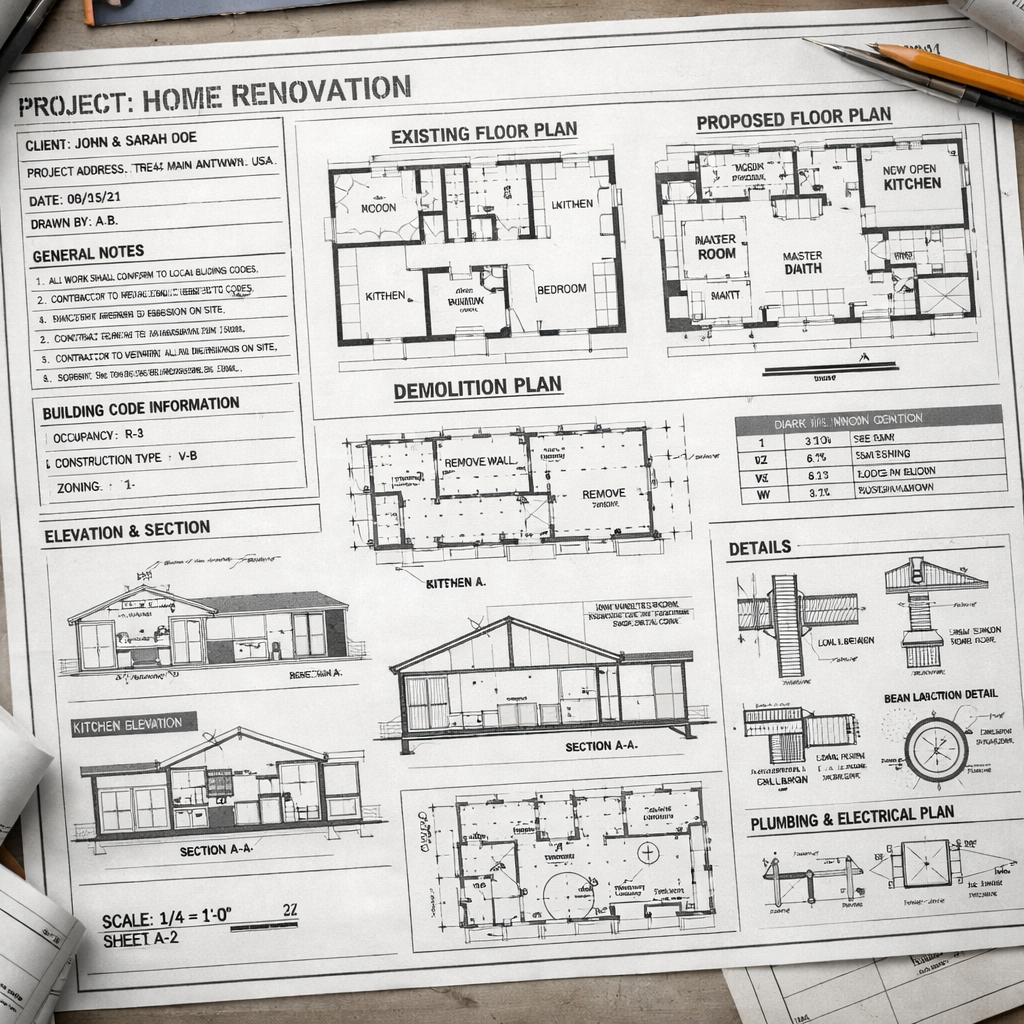
Full interior and exterior renovations require permits and inspections through the City of Chicago. Projects involving structural modifications, electrical upgrades, plumbing changes, or HVAC installations typically require multiple permits and inspections.
Common requirements include:
- Architectural drawings for plan review
- Building permits for structural work
- Electrical permits
- Plumbing permits
- Mechanical permits
- Inspections at multiple phases of construction
Homes located within designated historic districts may require additional approval from the Commission on Chicago Landmarks, which can extend the approval timeline. Proper permitting ensures that the renovation complies with city regulations and protects the long-term resale value of the property.
Typical Timeline for a Full Renovation
While each project varies, many large renovations follow a similar sequence.
- Planning and Design (2–4 weeks)
Initial planning includes floor plan development, scope definition, material selection, and permit preparation. - Permit Review (2–4 weeks)
The City of Chicago reviews submitted plans before issuing permits. - Abatement and Demolition (2–3 weeks)
Environmental remediation and interior demolition prepare the structure for reconstruction. - Structural and Framing Work (2–3 weeks)
New walls, structural adjustments, and framing modifications are completed. - Mechanical Systems Installation (1–2 weeks)
Plumbing, electrical, and HVAC systems are installed and inspected. - Interior Finishing (3–6 weeks)
Drywall, flooring, cabinetry, fixtures, and final finishes are completed. - Final Inspections (approximately 1 week)
Final inspections verify compliance before occupancy approval.
From permit approval to completion, most projects take approximately four to five months, although unexpected conditions or material delays can extend the timeline.
Living Arrangements During Construction
Because major renovations involve extensive demolition and reconstruction, homes are typically uninhabitable during construction.
Many homeowners choose to:
- Rent temporary housing
- Stay with family
- Arrange extended-stay accommodations
Temporary housing costs can range from $2,000–$5,000 per month, depending on location and housing type. Planning these arrangements in advance helps prevent disruptions during the construction process.
Typical Renovation Costs in Chicago
Full interior and exterior renovations vary widely depending on property size, structural complexity, and finish level.
General ranges include:
- $100–$200 per square foot for comprehensive renovations
- $100,000–$200,000 for a typical 1,000 square foot property
Key cost drivers include:
- Structural repairs
- Mechanical system replacement
- Material quality and finish level
- Layout modifications
- Exterior repairs
- Permit and inspection requirements
Because older homes often reveal hidden issues during demolition, many renovation budgets include a 10–20% contingency reserve.
Impact on Property Value
A well-executed full renovation can significantly improve both property value and long-term usability.
Typical outcomes include:
- Modernized infrastructure that reduces future repair costs
- Improved energy efficiency and lower utility expenses
- Updated layouts that align with current buyer expectations
- Stronger resale competitiveness in renovated neighborhoods
National studies often estimate major renovation return on investment between 60–75%, although results vary based on neighborhood demand, project scope, and market timing. For homeowners planning to remain in the property for several years, the improved quality of life and reduced maintenance needs can provide substantial long-term value.
Common Challenges in Full Renovations
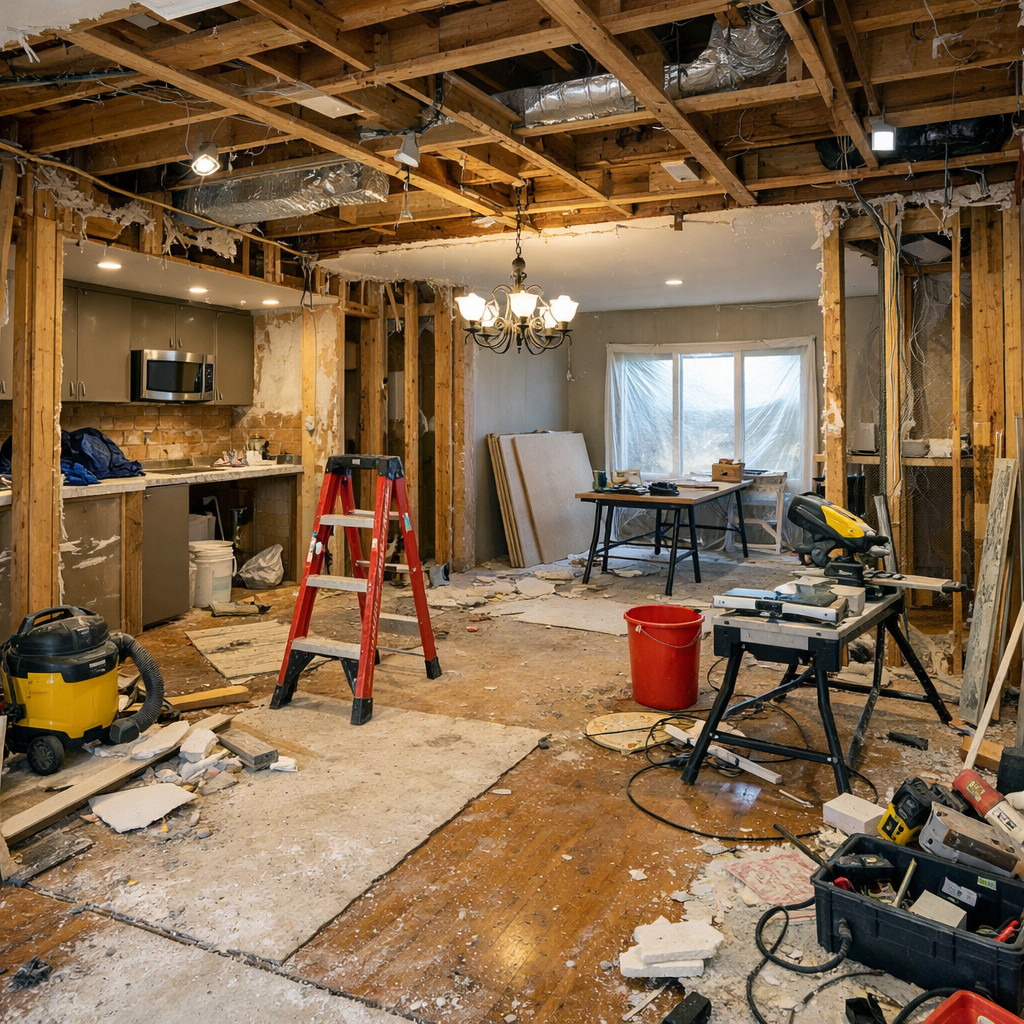
Large renovation projects often uncover unexpected conditions, particularly in older Chicago homes.
Common challenges include:
- Aging structural components
- Outdated electrical infrastructure
- Plumbing deterioration behind finished walls
- Hidden moisture or insulation deficiencies
- Prior unpermitted work from previous renovations
Experienced project planning accounts for these possibilities through contingency budgets and flexible scheduling.
Key Takeaways for Homeowners and Investors
- Many Chicago homes require comprehensive upgrades due to age and outdated systems
- Full renovations address both infrastructure and interior functionality
- Proper planning, permitting, and inspections are essential for compliance
- Temporary housing may be required during construction
- Budgets should include contingency for hidden conditions
- Renovations should align with neighborhood property values to protect ROI
When approached strategically, a full interior and exterior renovation can transform an aging property into a durable, modern home while strengthening long-term property value.