How to Renovate a 5+ Unit Multifamily Property in Chicago
A Practical Guide for Apartment Building InvestorsFor many real estate investors, acquiring a 5+ unit multifamily building represents a shift from small residential ownership into true commercial investment. These properties can generate long-term passive income, scale more efficiently than smaller buildings, and serve as strong retirement assets when managed properly.
However, renovating a building with five or more units in Chicago is fundamentally different from renovating a two-flat or fourplex. Valuation methods change. Building codes become stricter. Tenant coordination becomes more complex. Capital requirements increase.
This guide outlines how investors should evaluate and renovate larger multifamily properties in Chicago.
How 5+ Unit Buildings Are Valued
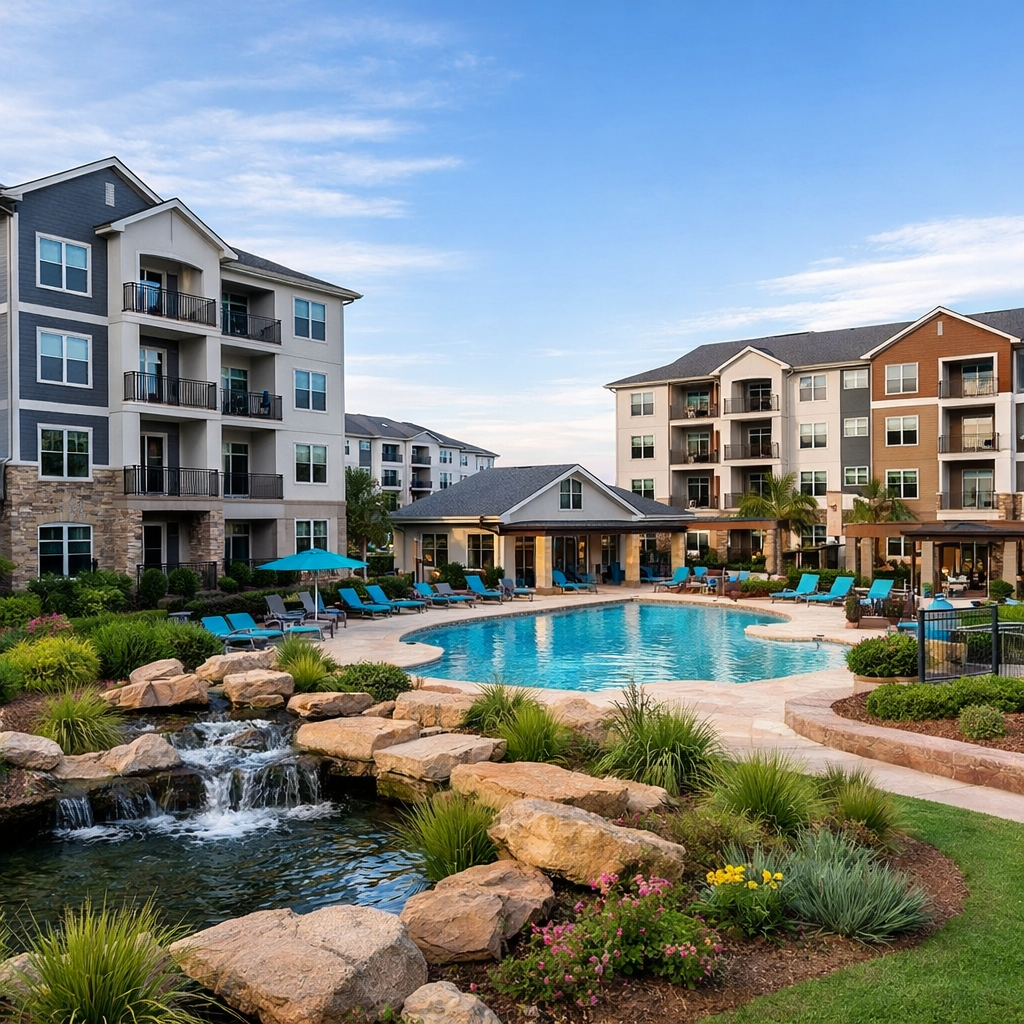
Unlike 1–4 unit properties, 5+ unit multifamily buildings are valued primarily based on income performance, not comparable sales.
Key financial metrics include:
- Gross rental income
- Operating expenses
- Net Operating Income (NOI)
- Capitalization rate (cap rate)
- Vacancy rates
- Tenant retention rates
- Market demand
Understanding NOI and Cap Rate
Example:
- 5 units renting at $1,200 per month
- Annual gross income: $72,000
- Annual operating expenses: $30,000
- Net Operating Income (NOI): $42,000
If the market cap rate is 6%, the estimated property value is:
$42,000 ÷ 0.06 = $700,000
Cap rate fluctuations significantly impact valuation. Increasing NOI through renovation, improved leasing, or reduced expenses directly increases asset value.
This income-based valuation approach makes renovation decisions highly strategic. Every dollar added to NOI can multiply into significant equity gains.
Pre-Renovation Due Diligence
Before developing a renovation plan, investors should evaluate:
- Current rent roll
- Lease terms and expiration dates
- Deferred maintenance
- Building system age
- Market rent ceiling
- Neighborhood appreciation trends
- Comparable renovated properties
A renovation plan must be grounded in realistic rent projections. Overestimating post-renovation rents can erode returns.
Renovation Strategy: Two Primary Phases
Renovating a 5+ unit building is often approached in phases.
Phase 1: Exterior and Common Areas
Improving curb appeal and shared spaces often delivers immediate impact.
Common upgrades include:
- Masonry and façade improvements
- Roof replacement
- Lobby modernization
- Hallway flooring and lighting
- Secure entry systems
- Landscaping
- Parking lot improvements
Updated common areas improve tenant perception and support higher lease rates.
Amenities such as fitness rooms, bike storage, package rooms, or shared workspaces may further enhance competitiveness, depending on neighborhood expectations.
Phase 2: Individual Unit Renovations
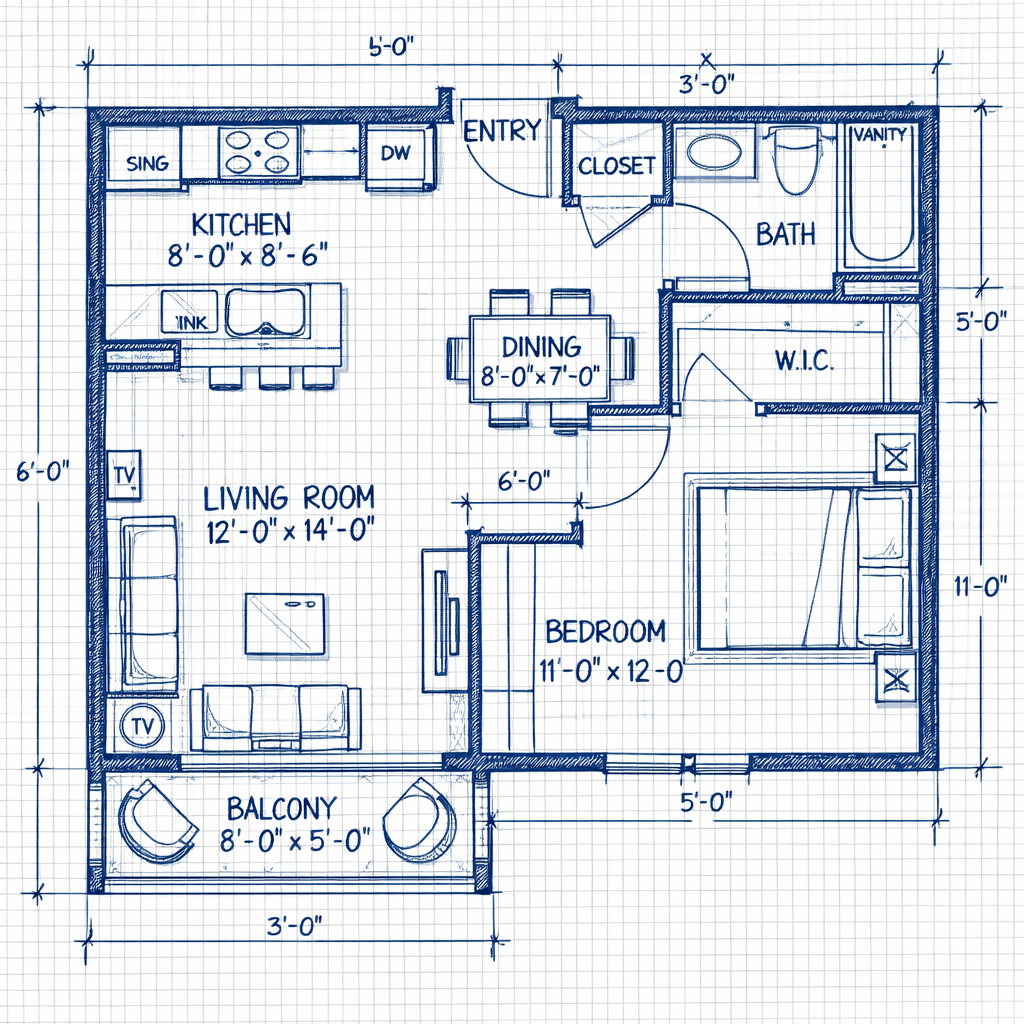
Unit upgrades are typically phased to minimize vacancy disruption.
Common improvements include:
- Kitchen modernization
- Bathroom updates
- Flooring replacement
- Lighting upgrades
- In-unit laundry installation
- Electrical panel upgrades
- Energy-efficient HVAC systems
The scope depends on:
- Existing condition
- Target tenant demographic
- Market rent ceiling
- Competitive landscape
Strategic repositioning focuses on durability and functionality rather than luxury overbuilding.
Feasibility and Building System Assessment
Before construction begins, a comprehensive building review is critical.
Systems to evaluate include:
- Electrical service capacity
- Plumbing risers and stacks
- HVAC systems
- Roof condition
- Foundation integrity
- Fire separation assemblies
- Life safety systems
Older Chicago buildings often require significant infrastructure upgrades before cosmetic improvements.
If the building is occupied, renovation phasing must protect tenant rights and maintain habitability.
Zoning, Permits, and Code Requirements
5+ unit properties are classified as commercial residential buildings and are subject to stricter regulatory standards.
Requirements may include:
- Enhanced fire safety compliance
- Sprinkler system upgrades in certain cases
- ADA accessibility considerations
- More complex permit review processes
- Zoning overlays or special district requirements
Permits may involve:
- Architectural plan review
- Building permits
- Electrical, plumbing, and mechanical permits
- Inspections at multiple phases
Compliance failures can delay projects and significantly impact operating timelines.
Budgeting for Large Multifamily Renovations
Renovation costs vary widely depending on scope and condition.
Typical considerations include:
- Per-unit renovation cost
- Common area upgrades
- Roof and façade repairs
- Mechanical system replacement
- Accessibility improvements
- Tenant relocation costs if required
Timelines often range:
- Exterior and common areas: 2–4 months
- Interior units (phased): 1–3 months per unit
- Full-scope renovation: 6–12 months
Occupied buildings may require extended timelines due to tenant coordination.
Renovating While Occupied
Occupied renovations require careful planning.
Strategies may include:
- Phasing units during natural lease turnover
- Providing advance notice to tenants
- Coordinating temporary relocation when necessary
- Scheduling work within allowable hours
Understanding tenant rights and local ordinances is essential to avoid legal risk.
Avoiding Common Investor Mistakes
Common renovation missteps include:
- Underestimating capital expenditures
- Over-renovating beyond neighborhood rent ceiling
- Ignoring infrastructure upgrades
- Failing to plan around tenant disruption
- Overlooking code compliance upgrades
- Overestimating post-renovation rent increases
Renovation decisions should align with local market data, not assumptions.
Exit Strategy Considerations

Large multifamily buildings are typically sold to other investors rather than owner-occupants.
Exit options include:
- Sale based on stabilized NOI
- Refinance after value increase
- Long-term hold for cash flow
Because valuation is income-driven, increasing NOI through disciplined renovation improves both refinance and resale options.
Entity Structure and Liability Considerations
Many investors hold multifamily properties in LLCs to limit liability and potentially create tax advantages. Formation costs and ongoing compliance vary.
Because legal and tax implications differ by investor, consultation with a qualified real estate attorney and tax professional is recommended before acquisition or major renovation.
Key Takeaways for 5+ Unit Investors
- Value is driven by NOI and cap rate, not comparable sales
- Renovation strategy should focus on increasing rent and reducing expenses
- Infrastructure upgrades often precede cosmetic improvements
- Compliance requirements are stricter than smaller residential properties
- Phased renovation minimizes disruption and vacancy loss
- Market-aligned upgrades protect ROI
Renovating a 5+ unit multifamily property is both a construction and financial strategy. Success depends on aligning building improvements with income performance.