Kitchen Remodels in Chicago
What Homeowners and Investors Should Know Before Renovating a Kitchen
Kitchen remodels are among the most common and impactful home renovation projects in Chicago. A well-planned kitchen renovation can improve daily functionality, modernize an outdated space, and significantly influence a home's resale value. For homeowners, the kitchen often serves as the center of daily living. For real estate investors, updated kitchens are one of the strongest drivers of buyer interest and rental appeal.
However, kitchen renovations in Chicago often involve additional complexity due to older housing stock, building code requirements, and permitting regulations. Understanding the process and cost drivers before beginning a project helps ensure the renovation aligns with both budget and long-term property goals.
Chicago Homes and Kitchen Renovation Challenges
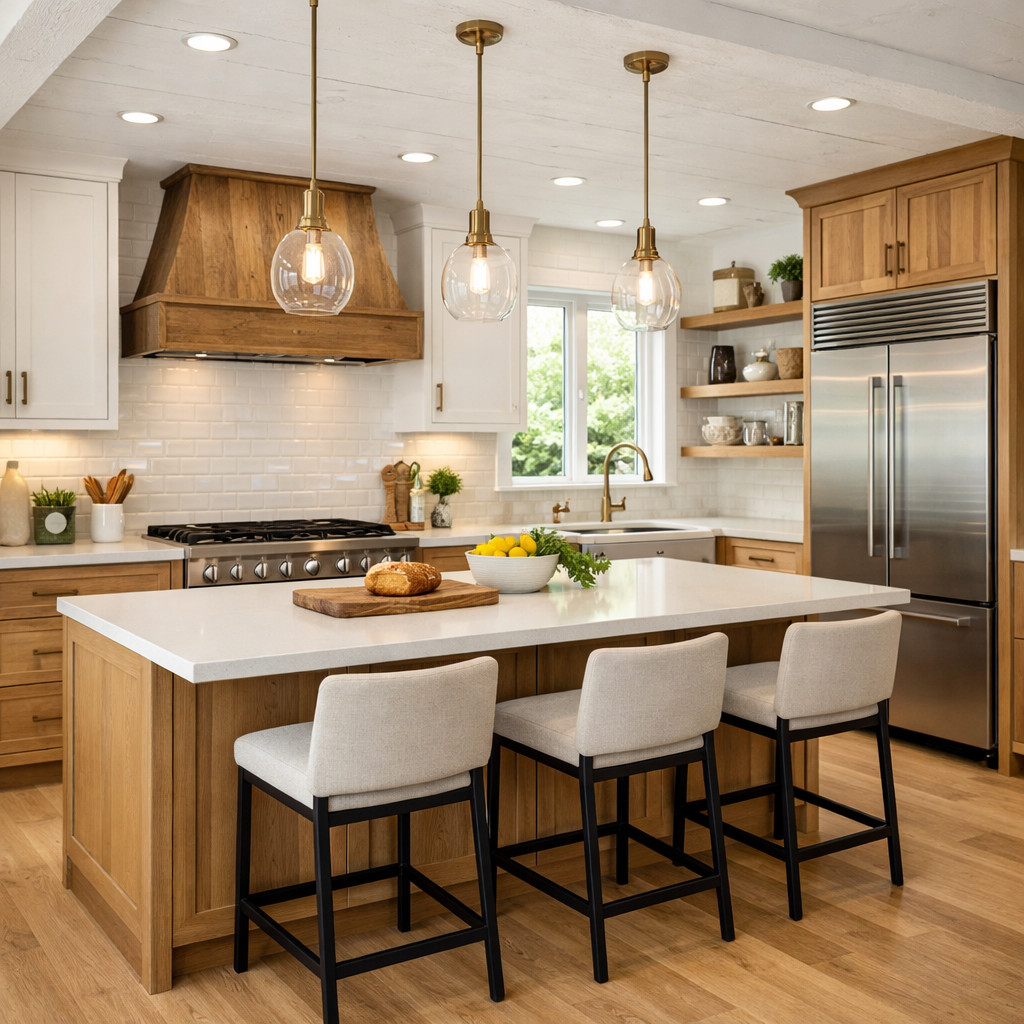
Chicago contains one of the oldest housing inventories in the country. Many homes were built before modern electrical systems, appliance loads, and ventilation standards existed. As a result, kitchen renovations often uncover issues such as:
- Outdated electrical wiring or undersized panels
- Aging plumbing lines or galvanized pipes
- Limited ventilation systems
- Uneven flooring or structural settlement
- Layouts that do not support modern appliances or open-concept living
Addressing these underlying conditions is often necessary before aesthetic upgrades can be completed.
Typical Kitchen Sizes
Kitchen renovation costs often correlate with the size of the space. Common size ranges include:
- Small kitchens: under 90 square feet
- Medium kitchens: 90–120 square feet
- Large kitchens: 120–200 square feet or more
Larger kitchens require more cabinetry, flooring, and labor, which increases overall project costs.
What Drives the Cost of a Kitchen Remodel
Kitchen renovation costs depend heavily on scope and design choices.The two most significant cost factors are size and layout changes.
Maintaining the existing layout typically keeps costs lower because plumbing lines, appliances, and electrical connections remain in place. Relocating these elements can increase costs due to demolition, structural review, and additional permits.
Common cost drivers include:
- Structural modifications or wall removal
- Plumbing relocation for sinks or appliances
- Gas line installation for ranges
- Electrical upgrades or new circuits
- Permit and inspection requirements
Because many Chicago homes require infrastructure upgrades during renovations, these systems should be evaluated early in the planning process.
Cabinets and Storage
Cabinetry is typically the largest component of a kitchen renovation budget, often accounting for up to 40% of total costs. Options range from basic stock cabinetry to fully custom designs. Common approaches include:
- Cabinet refacing: replacing doors and drawer fronts while keeping existing cabinet boxes
- Semi-custom cabinets: offering moderate customization at lower cost than full custom cabinetry
- Custom cabinetry: designed specifically for the space with maximum flexibility
For kitchens where cabinet boxes remain structurally sound, refacing can provide a refreshed appearance at a significantly lower cost than full replacement.
Countertops and Finishes
Countertops typically represent 10–15% of a kitchen renovation budget.
Popular materials include:
Granite
- Natural stone with unique patterns
- Strong heat resistance
- Requires periodic sealing
Quartz
- Engineered stone with consistent patterns
- Lower maintenance requirements
- Less resistant to extreme heat than granite
Other materials such as laminate or wood can provide more budget-friendly alternatives depending on the renovation goals.
Appliances
Appliances typically account for approximately 10–15% of renovation costs.Basic appliance packages may cost under $5,000, while high-end appliance suites can exceed $20,000.
For projects focused on resale value, mid-range appliances often provide the strongest balance between cost and market appeal.
Ventilation Requirements
Chicago building codes require proper kitchen ventilation to remove heat, moisture, and cooking pollutants.
Typical requirements include:
- 100 CFM vented range hood for open-concept kitchens
- 50 CFM continuous ventilation for enclosed kitchens
Installing a proper ventilation system may require ductwork and exterior wall or roof penetration, which can add to project cost.
Kitchen Remodel Cost Ranges in Chicago
Kitchen renovation costs vary significantly depending on scope, layout changes, and material choices.
Typical ranges include:
Basic Kitchen Remodel - Often between $15,000 – $30,000
- Existing layout preserved
- Cabinet refinishing or refacing
- Countertop replacement
- Updated appliances and lighting
Mid-Range Kitchen Remodel - Often between $40,000 – $78,000
- Cabinet replacement
- Updated countertops and flooring
- Lighting improvements
- Minor layout changes such as adding an island
High-End Kitchen Remodel - Often between $80,000 – $145,000+
- Custom cabinetry and storage solutions
- Professional-grade appliances
- Major layout reconfiguration
- Premium countertops and finishes
- Large islands or expanded workspace
Projects involving structural expansion of the kitchen may exceed $100,000, particularly when square footage is added through home additions.
The Kitchen Renovation Process
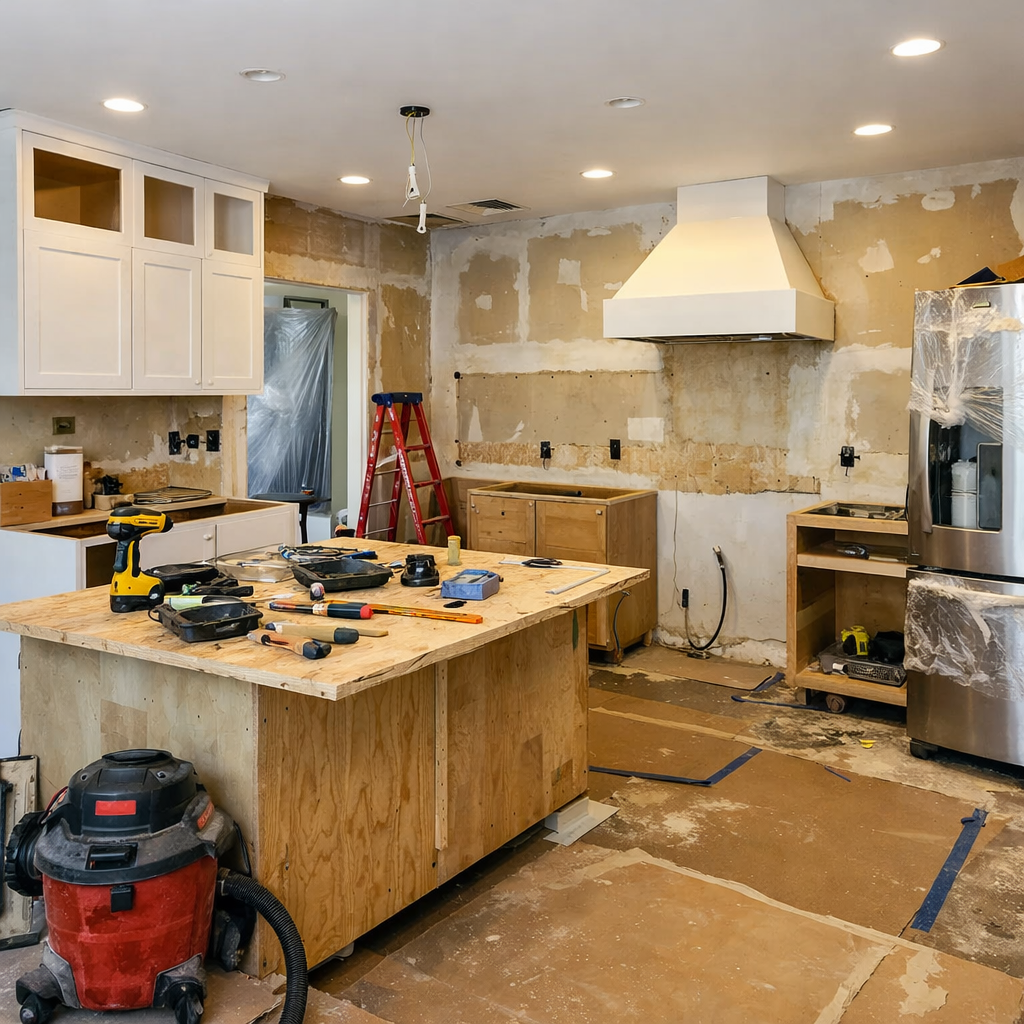
While timelines vary by project scope, most kitchen renovations follow a structured sequence.
Planning and Design
This stage includes selecting layouts, cabinetry, countertops, appliances, and finishes. Architectural drawings and permits are typically prepared during this phase.
Demolition
Old cabinets, appliances, countertops, and flooring are removed. This phase can reveal underlying structural or mechanical issues that must be addressed.
Rough Mechanical Work
Electrical, plumbing, and gas lines are installed or modified as needed. City inspections typically occur before walls are closed.
Wall and Surface Preparation
Drywall installation, patching, and painting prepare the space for cabinetry and finishes.
Installation of Finishes
Cabinets, countertops, appliances, flooring, and fixtures are installed. Countertop fabrication often requires additional lead time after measurements are taken.
Basic kitchen renovations may take 3–5 weeks after permits are issued, while larger or more complex renovations can extend to 8–10 weeks or longer.
Renovation Challenges Specific to Chicago
Kitchen projects in Chicago often involve additional considerations.Common challenges include:
- HOA restrictions in condos and high-rise buildings
- Elevator scheduling for material deliveries
- Limited construction hours in multi-unit buildings
- Outdated electrical and plumbing systems in older homes
- Floor leveling issues in historic properties
Proper planning and coordination help reduce delays during construction.
Key Takeaways for Homeowners and Investors
- Kitchen renovations are among the most valuable home improvements
- Maintaining the existing layout can significantly reduce costs
- Cabinetry typically represents the largest portion of the renovation budget
- Ventilation and electrical upgrades are often required in older Chicago homes
- Permit requirements and building logistics may affect project timelines
A thoughtfully planned kitchen renovation improves both the usability of the home and its long-term market appeal.