2–4 Unit Multifamily Renovations in Chicago
What Homeowners and Investors Should Know Before RenovatingRenovating a single-family home in Chicago can be one of the most impactful financial and lifestyle decisions you make. Done well, it increases property value, improves livability, and positions the home competitively in a dynamic market. Done poorly, it can become expensive, delayed, and frustrating.
Whether you are a homeowner improving your primary residence or an investor repositioning a rental or resale property, understanding the renovation process is essential.
Chicago’s Housing Stock: Opportunity and Complexity
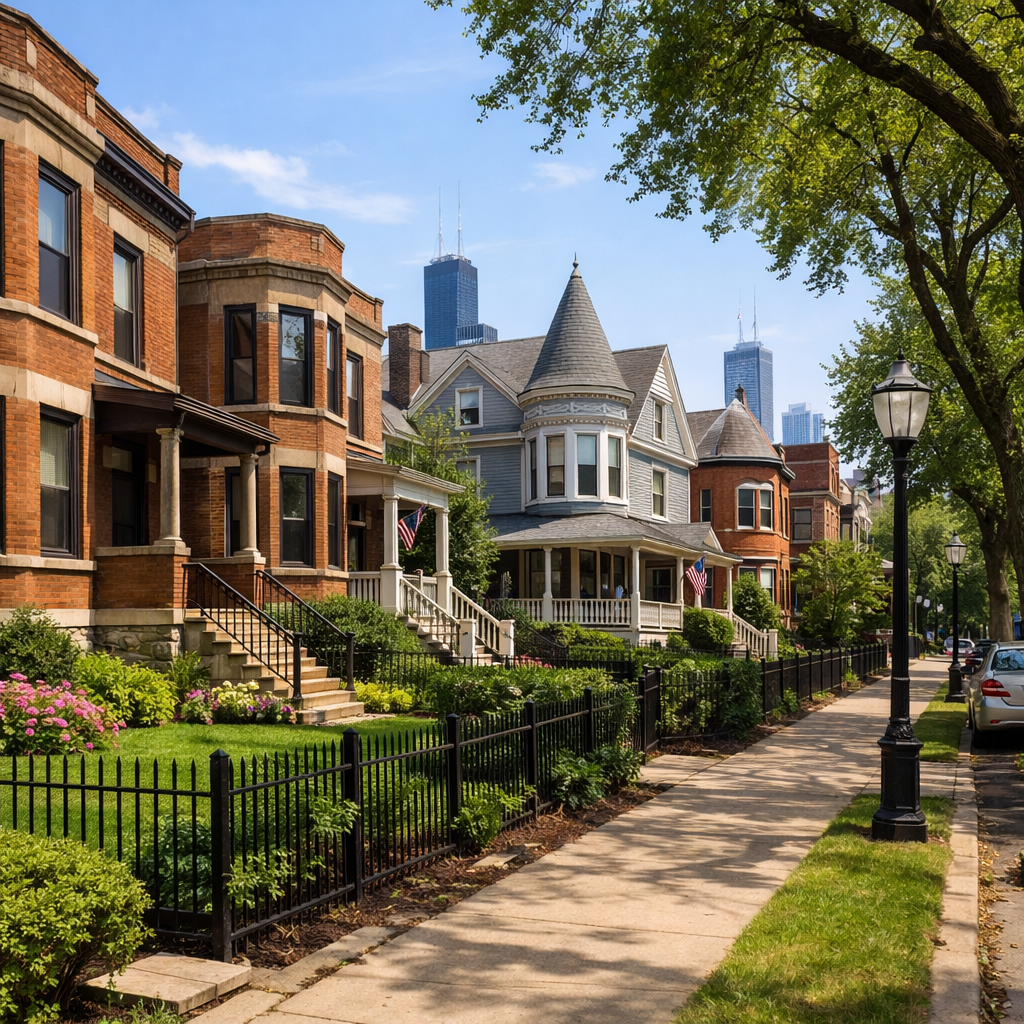
Chicago’s neighborhoods feature an incredible mix of architecture, from classic brick bungalows and greystones to worker cottages and early 1900s frame homes. Many properties in neighborhoods such as Belmont Cragin, Avondale, Jefferson Park, Gage Park, McKinley Park, Brighton Park, and Washington Park offer strong upside potential.
But older housing stock also brings complexity:
- Aging plumbing and electrical systems
- Outdated layouts that do not reflect modern living
- Structural settlement or foundation concerns
- Prior unpermitted work that may not meet current code
This article will walk you through the steps typically taken for both homeowners and investors when considering a renovation project. Being aware of the process sets the stage for a successful renovation.
And a successful renovation starts with a clear-eyed assessment of both potential and risk.
A Detailed Property Assessment
Before discussing finishes or design, it is critical to evaluate the home’s condition.
A thorough assessment should identify:
- Structural integrity of foundation and framing
- Roof and exterior envelope condition
- Plumbing, electrical, and HVAC systems
- Signs of moisture, mold, or prior water damage
- Code compliance issues
For investors, this step determines whether the property supports your projected return. For homeowners, it ensures you are improving a stable structure rather than layering upgrades over hidden problems. Prioritization is key. Not all renovations create equal value.
Understanding Return on Investment (ROI)
Home improvement ROI varies significantly by project type.
General trends in Chicago and nationally:
- Exterior renovations often outperform interior cosmetic upgrades
- Functional updates tend to yield stronger returns than luxury upgrades
- Garage door replacement frequently ranks among the highest ROI projects
- Finished basements often provide lower direct financial return but add usable living space
Many homeowners recoup roughly 60–70% of renovation costs, depending on scope and market timing. Exterior improvements typically outperform interior projects by a noticeable margin.
For investors, the strategy should focus on:
- Market expectations in the specific neighborhood
- Comparable sales
- Rent premiums for updated properties
- Avoiding over-customization
Luxury upgrades are often best pursued as lifestyle decisions rather than investment strategies.
High-Impact, Cost-Effective Updates
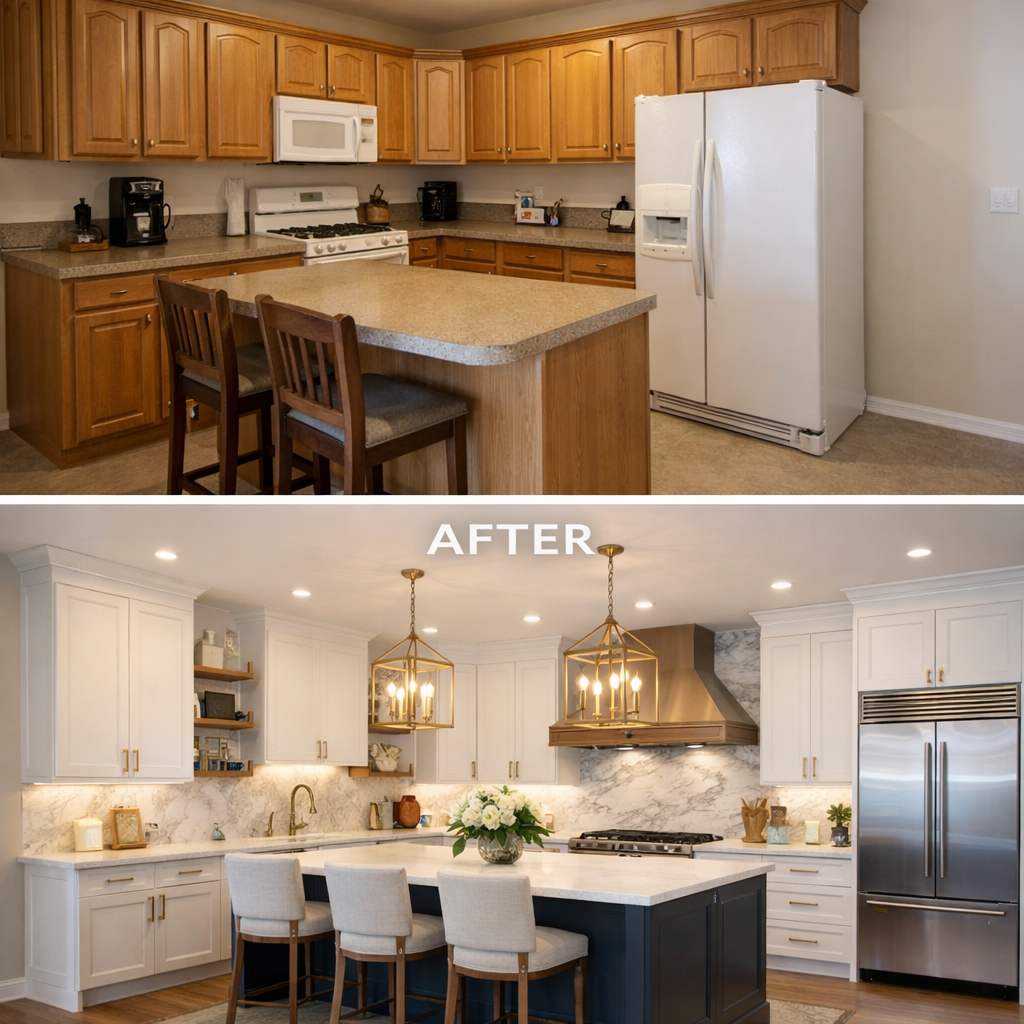
If the goal is value optimization, focus on improvements that enhance function, safety, and curb appeal:
Exterior Improvements
- Garage door replacement
- Siding repair or replacement
- Roof replacement if near end of life
- Landscaping and entry improvements
Interior Improvements
- Kitchen modernization with mid-range finishes
- Bathroom updates focused on functionality
- Flooring replacement
- Lighting upgrades
Strategic use of mid-range materials often delivers the strongest balance of cost and resale appeal.
Structural Changes and Major Renovations
Some projects go beyond cosmetic updates:
- Finishing basements
- Adding bedrooms or bathrooms
- Expanding living areas
- Full gut rehabs
These projects require architectural drawings, structural review, and formal permits. They also carry greater risk and greater potential upside.
In Chicago, any work involving structural changes, plumbing, electrical, or major mechanical systems typically requires permits and inspections. Navigating the permitting process correctly is essential to avoid fines, delays, or resale complications.
Typical Renovation Cost Ranges in Chicago
While every project is unique, common ranges include:
- Kitchen renovation: $25,000–$75,000
- Bathroom renovation: $10,000–$40,000
- Full home remodel or gut rehab: $100,000–$350,000+
Costs depend on:
- Home size
- Existing condition
- Scope of demolition
- Finish level
- Structural complexity
A clear scope of work before construction begins is one of the most effective ways to control budget and timeline.
Managing Budget Without Sacrificing Quality
Practical cost control strategies include:
- Using mid-range finishes in high-visibility areas
- Repurposing materials when structurally sound
- Avoiding unnecessary layout changes
- Limiting over-customization for resale properties
- Building contingency into the budget for older homes
Chicago homes often reveal surprises once walls are opened. A realistic contingency protects your project from disruption.
Permits and Code Compliance in Chicago
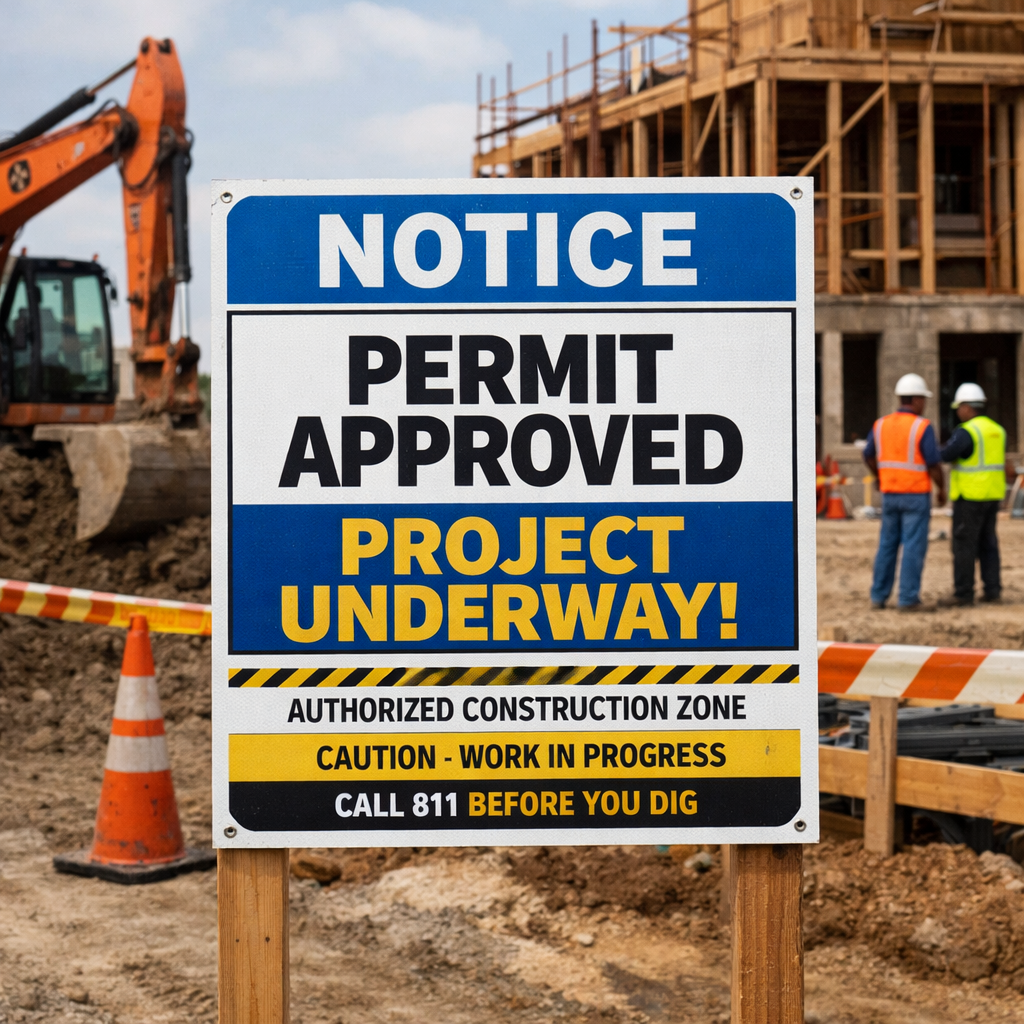
Renovation projects frequently require:
- Building permits
- Electrical permits
- Plumbing permits
- Structural review
Compliance with Chicago’s building and zoning codes is not optional. Proper permitting protects:
- Property value
- Insurance coverage
- Future resale
- Occupancy approvals
Investors in particular should be cautious of properties with prior unpermitted work, as correcting these issues can significantly impact renovation budgets.
Common Challenges in Chicago Renovations
Older single-family homes often present:
- Knob-and-tube wiring or undersized electrical panels
- Galvanized plumbing lines
- Settled foundations or compromised joists
- Moisture intrusion behind finished surfaces
- Code violations from previous renovations
Experienced project management builds flexibility into scheduling and budgeting to address these issues quickly and safely.
Renovating in Phases
For homeowners managing cash flow, phased renovations are a practical option.
Common phased approaches:
- Exterior stabilization and systems upgrades
- Kitchen or primary bathroom
- Secondary bathrooms or additional living areas
- Cosmetic upgrades
A phased plan ensures each stage adds lasting value and does not require rework later.
Key Takeaways for Homeowners and Investors
- Start with a thorough assessment before planning finishes
- Prioritize structural and system integrity
- Focus on improvements that align with neighborhood market expectations
- Understand that not all renovations produce equal ROI
- Build contingency into both budget and timeline
- Ensure proper permitting and code compliance
A thoughtful renovation strategy transforms both property performance and daily living experience.