Fannie Mae HomeStyle Renovation Loans in Chicago
What Buyers and Investors Should Know About Flexible Renovation Financing
Fannie Mae HomeStyle renovation loans allow buyers to finance both the purchase of a property and the cost of renovations within a single conventional mortgage. Unlike FHA 203(k) loans, HomeStyle loans offer greater flexibility in property types and renovation scope, making them a common choice for both homeowners and real estate investors.
How HomeStyle Renovation Loans Work
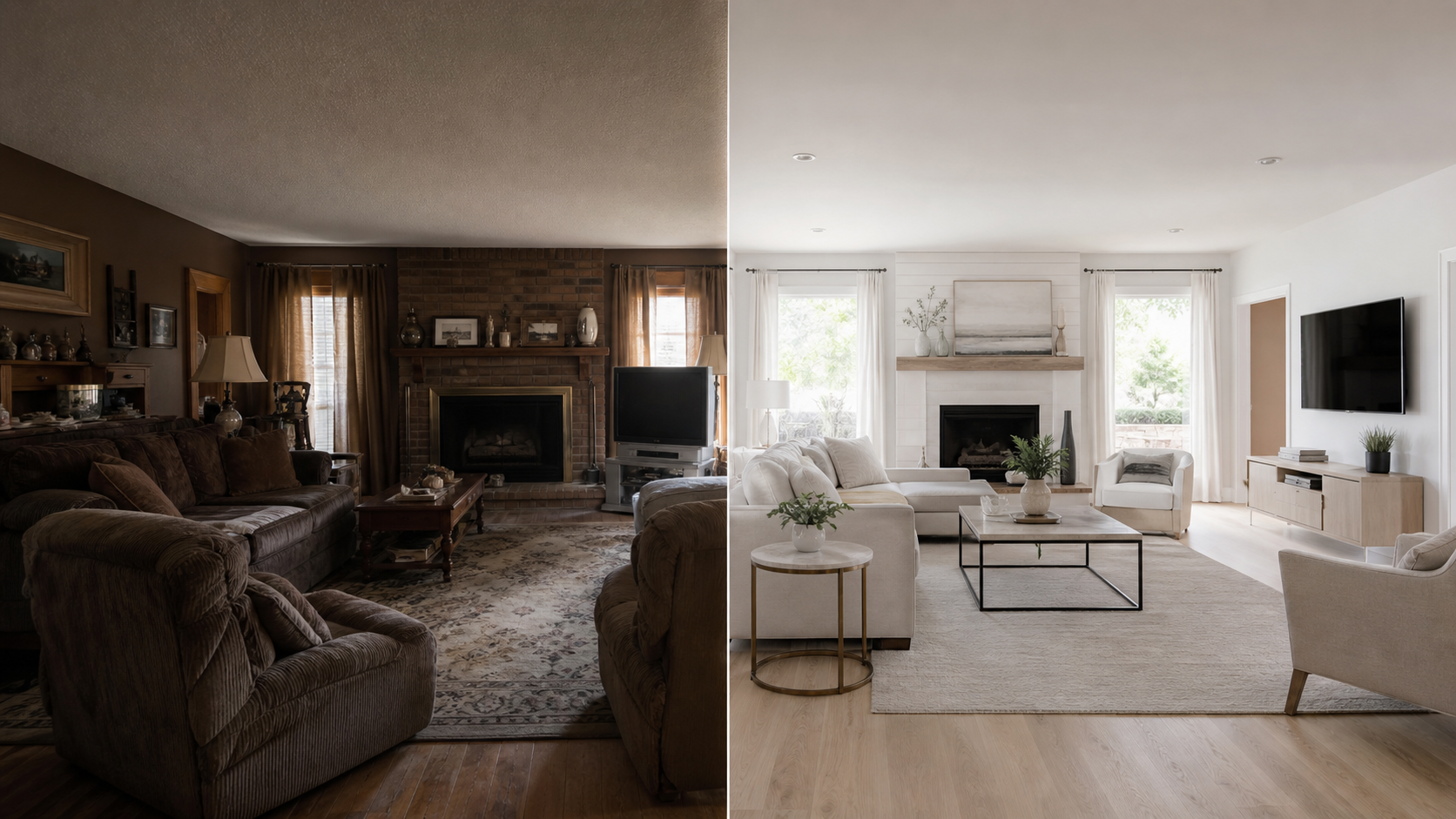
A HomeStyle loan combines both the purchase price of the property and the cost of planned renovations.
Loan amounts are based on the property’s after-repair value (ARV), which estimates what the property will be worth after renovations are complete. Renovation funds are placed in escrow and released in draws as construction milestones are completed and inspected.
Key Features of HomeStyle Loans
HomeStyle loans provide more flexibility than FHA 203(k). Typical features include:
- Minimum credit score around 620
- Down payments starting around 5% for primary residences
- Available for primary homes, second homes, and some investment properties
- Renovation timelines of up to 15 months
These loans can be used for a wider range of renovation projects, including higher-end upgrades.
What Is the HomePath Program?
HomePath is often mentioned alongside HomeStyle loans, but it serves a different purpose. HomePath is a real estate sales platform operated by Fannie Mae for selling foreclosed or bank-owned properties.
These properties are often sold “as-is”, are in need of renovation or repair, and are priced to reflect condition. Buyers may purchase a HomePath property and use a HomeStyle renovation loan to finance improvements.
A Simple Way to Think About It
To avoid confusion:
- HomeStyle is a financing program used to purchase and renovate a property.
- HomePath is a property marketplace, a platform where Fannie Mae sells foreclosed homes.
The two are often used together, but they serve different roles.
Approval Requirements
HomeStyle loans typically require:
- Proof of income and financial stability
- Credit history and debt-to-income evaluation
- Contractor bids and detailed renovation plans
- Appraisal based on projected post-renovation value
Because lenders evaluate both the borrower and the project, documentation requirements are typically more detailed than standard mortgages.
Timeline Expectations
Typical HomeStyle timelines include a loan approval period of 30–60 days, with the rRenovation process typically completed between 6 to 15 months (depending on project scope).
The longer renovation timeline provides more flexibility for larger or more complex projects.
When HomeStyle Loans Make Sense
HomeStyle loans are commonly used when:
- Purchasing investment properties requiring renovation
- Financing second homes with planned upgrades
- Completing larger or more complex renovation projects
- Buyers want more flexibility than FHA programs allow
Because of broader eligibility, HomeStyle is often preferred by experienced investors.
Key Takeaways
HomeStyle renovation loans combine the purchase and renovation of a property into a single mortgage while offering greater flexibility than FHA-based programs. They can be used for primary residences, second homes, and some investment properties, making them a common choice for a wider range of buyers and investors.
Renovation funds are released in stages as construction progresses, and the loan is based on the projected value of the property after improvements are completed. HomeStyle loans are also often used in conjunction with HomePath property purchases, providing a flexible financing option for buyers looking to renovate properties across different project types.